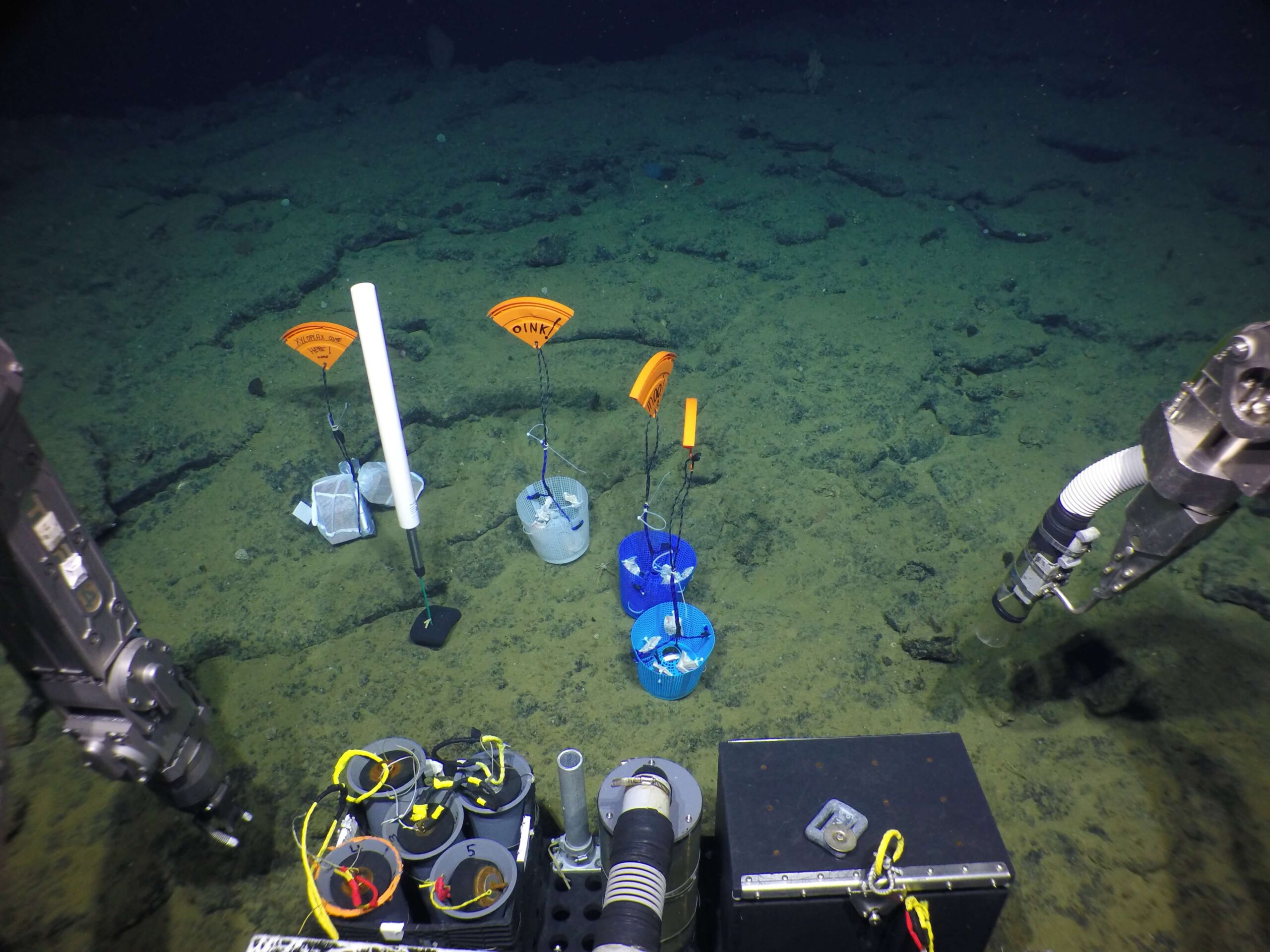
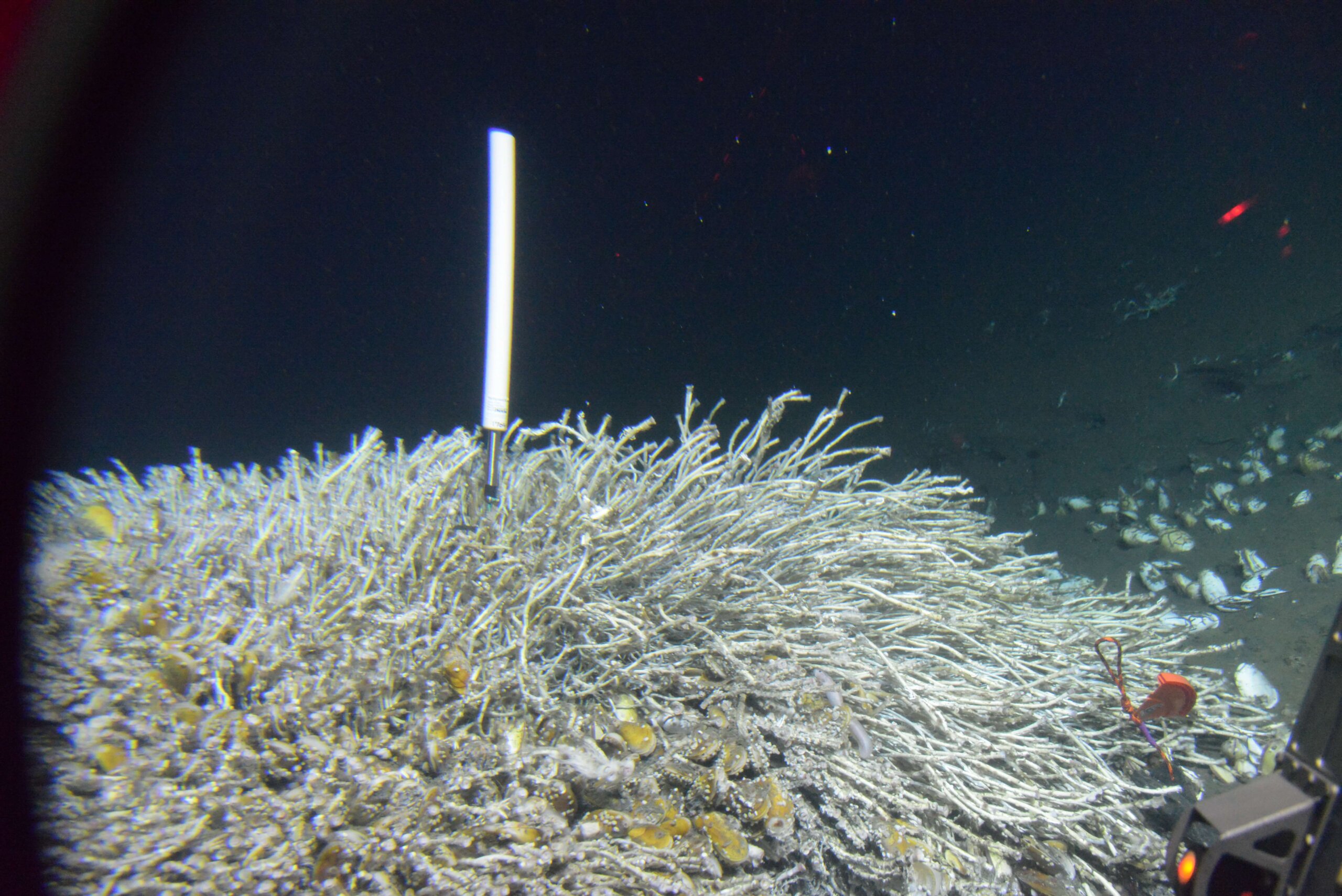
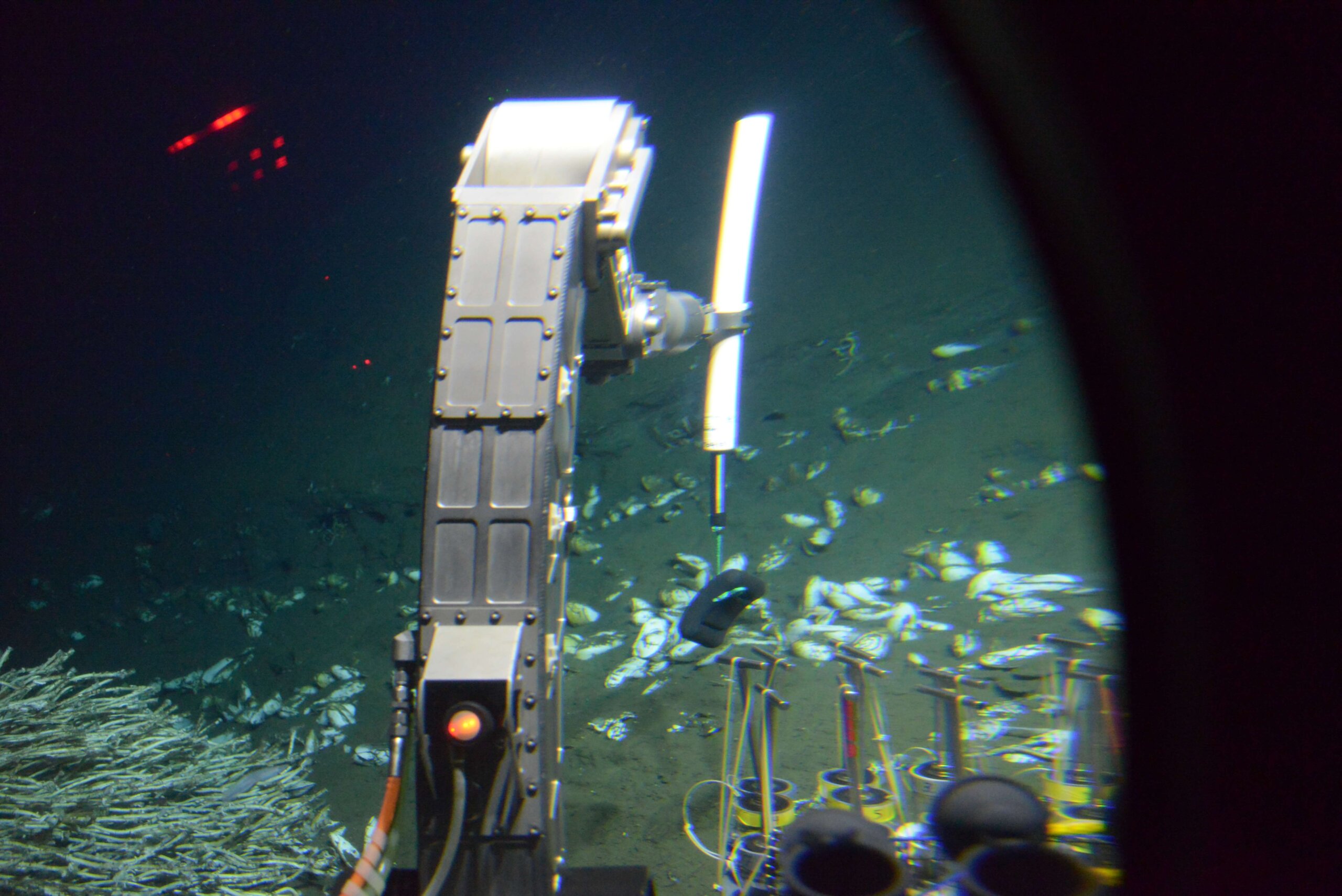
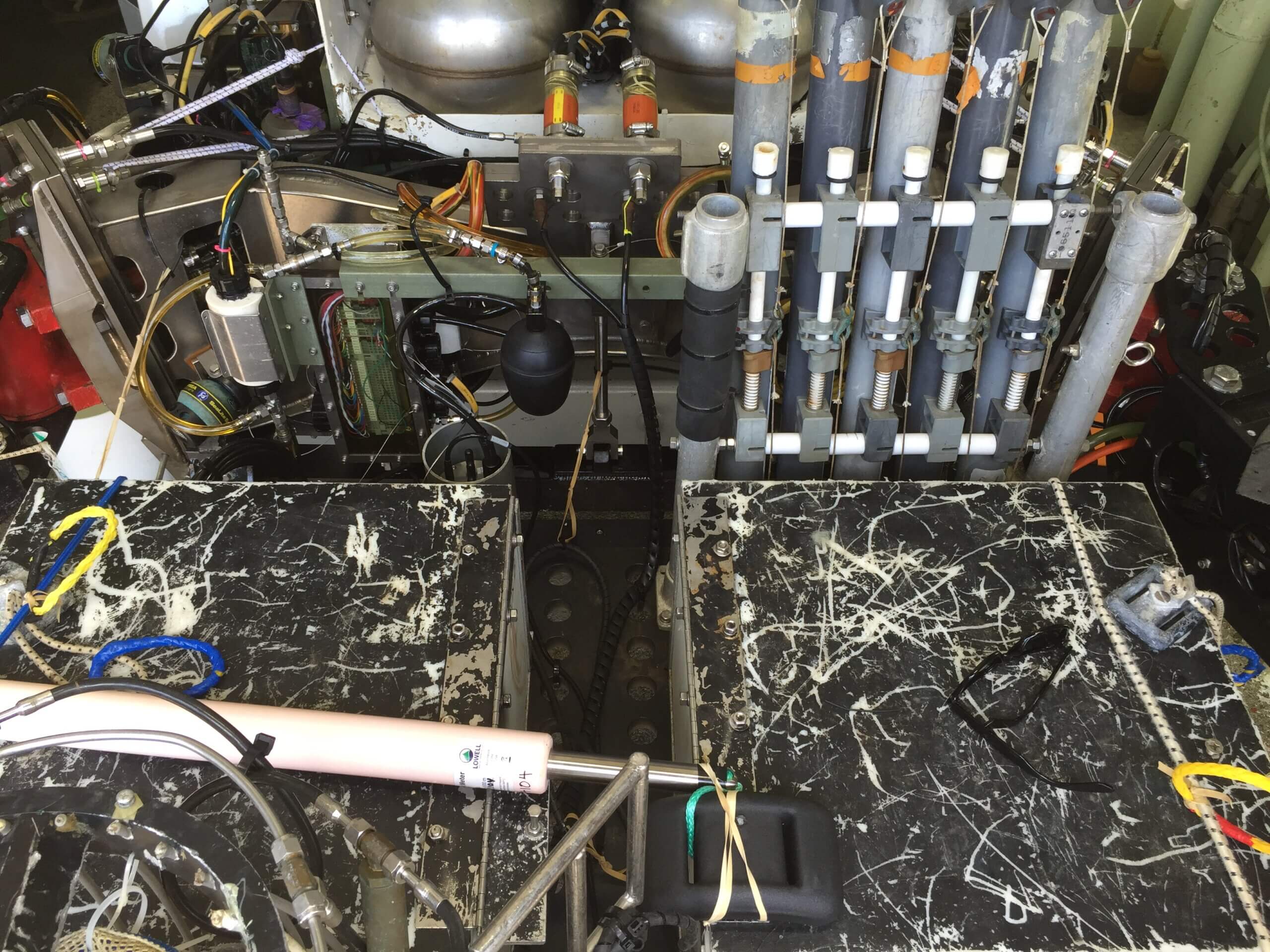
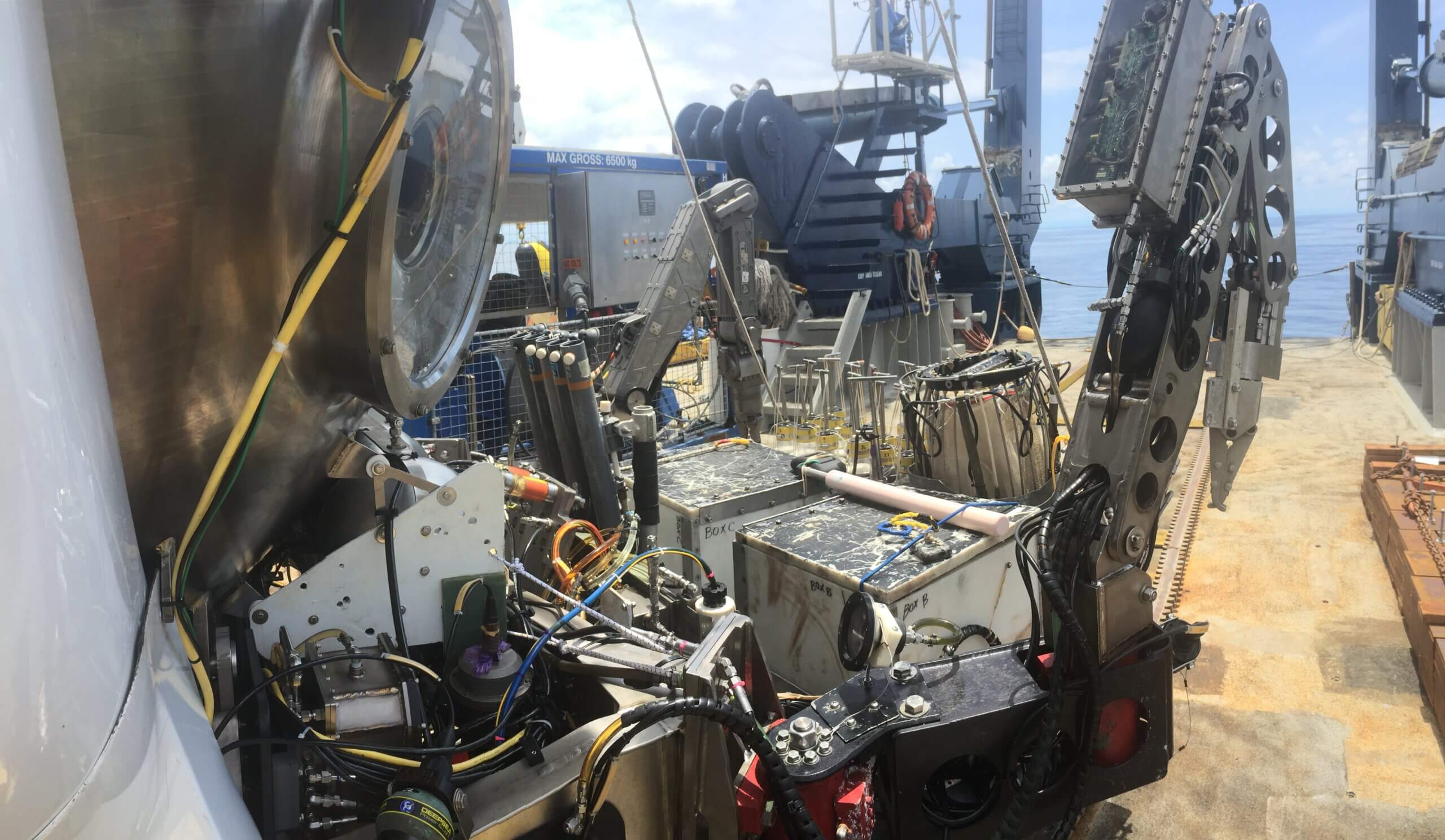
In May of 2017 researchers from Temple University, Scripps Institution of Oceanography, Cal Tech, Occidental College, and the University of Rhode Island were on board the RV Atlantis from Woods Hole Oceanographic to study methane seeps off the Pacific Coast of Costa Rica, in the methane-rich Costa Rica Margin. Using the Alvin submersible Chris Roman, Associate Professor at The University of Rhode Island, was able to deploy four tilt current meters (TCM-3’s) on the seafloor “to study variability and steady flow in the bottom currents and to get a sense of what was happening to currents”. The deep water TCM’s were left at the bottom of the seafloor with 10-pound dive weights in varying locations to record data for over a year. The meters are to be retrieved in October 2018.
“The benefits of using these TCM’s are its affordability and ease of use. You can use multiple meters in several areas to get better data more quickly”, Roman said, “and the length of time that it can be left gives you a better range for a longer time series.”
The study will also look at what might be the source of the highly concentrated methane that is naturally coming out of the seafloor and how they influence the sea. Roman said, “We want to understand the impact of methane seeps on local communities”.
To learn more and to follow the ongoing ROC HITS project click here:
Facebook ROC HITS https://www.facebook.com/roc.hits.expedition/